


Ever submerge yourself into ice-cold water? Perhaps you’ve done a cold plunge, or maybe you’ve simply retrieved minnows from the bait bucket several times while ice fishing. Or maybe you have had the unfortunate experience of a slip & fall into ice water or even breaking through on a body of water.
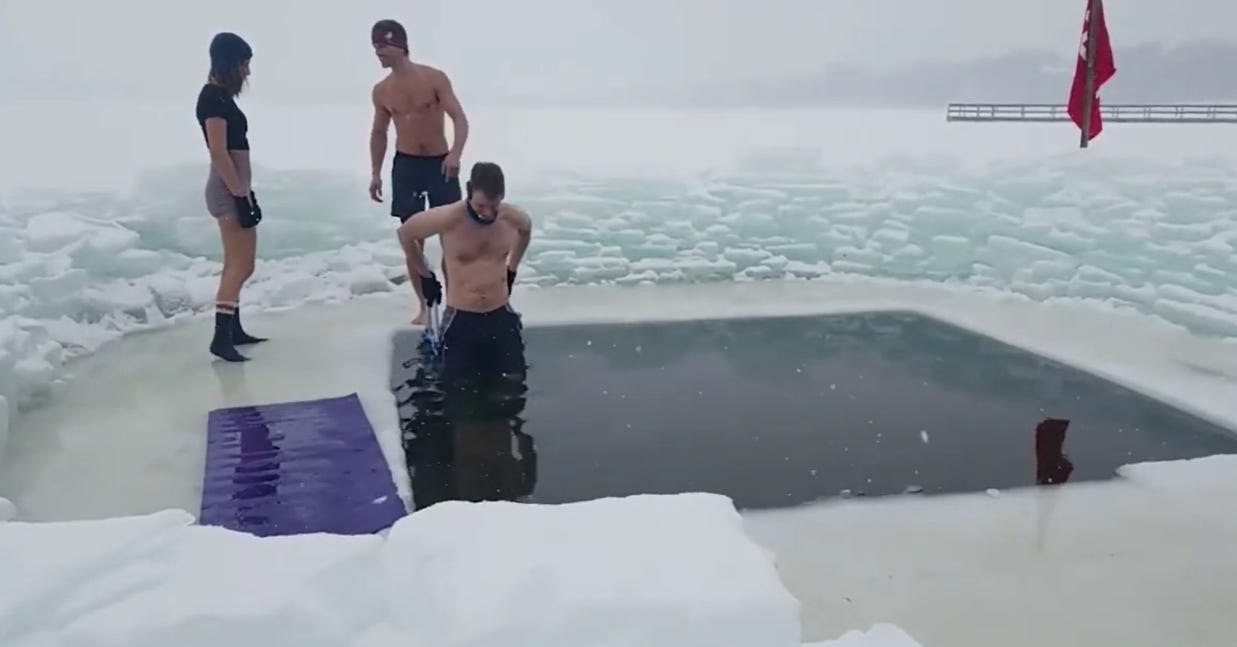
Whatever the degree of your experience and exposure to such frigidity, this physical sensation blends the surreal stinging pain and numbness, extreme debilitation and discomfort. When I’ve done a cold plunge, the pain goes from surface shock to deep shivers to aches in the chest—in only a few minutes, which is all I’ve endured. The men of the Arctic shipwreck the U.S.S. Jeannette waded in such conditions for hours at times throughout their ordeal of ice sheets splintering the wooden ship and then the long trek atop and around the breaking ice. In between these drenchings, particularly on that long trek, was a constant dampness, day after day, with temperatures in the 20s and 30s. Later, when they miraculously reached land, autumn temps in Siberia fell drastically lower.
It’s easy to forget the hardships people before us endured to give us the standard of comfort we enjoy today. Set aside the conditions for those Arctic explorers—we’ll get back to them in a bit. Set aside the cold winter nights of the Revolutionary War 100 years before this shipwreck, when colonial soldiers in drab gear shivered around a campfire awaiting their orders to charge into British gunfire. I’m referring to the average, everyday life for those who built this country and our state, Minnesota: clearing the first roads and railroad tracks through mosquito-infested woods, tilling the earth with beasts and eventually a basic tractor, and, of course, the frigid winters they suffered with just basic gear and a fireplace at home.
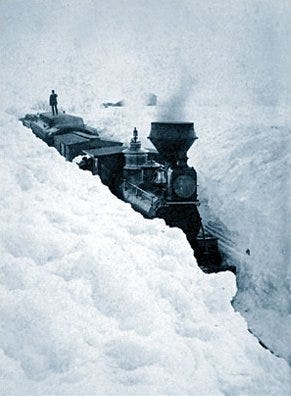
No, no one forced these settlers to move here and struggle under these conditions. The Native Americans lived here for ages and made do with their methods, which didn’t require roads or tractors. But to the degree we all appreciate the comforts of such a developed society, can we appreciate those who built it from scratch and lived their lives without?
Beyond the technological blessings they bestowed, our ancestors exemplified character. There seems to be a relationship between wealth and character, as if our ancestors’ meager possessions were compensated by their maturity. If nothing else, this might just be the result of circumstance. It’s pretty hard to be materialistic, hedonistic, and take things for granted when one doesn’t have much and is occupied with the necessary hard work at hand. This isn’t a one-way correlation—poverty can also tempt crime, for instance. But overall, living with less means fewer distractions and less interference between an individual and humility, gratitude, contentment, and connection with others.
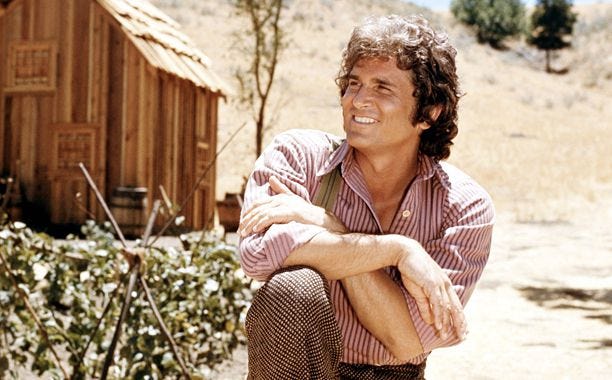
Perhaps this is why my mom loved the books and T.V. show Little House on the Prairie. Life in the late 1800s in rural America was exposed to many more risks and lacked the buffers of environmental comforts we have today: A/C, an abundance of food, home electronics, the automobile, and even just indoor bathrooms. This vulnerability to the elements parallels the rawness and “real” quality of the people—a presence and groundedness that stand out to me when looking back on those in our country’s past.

Laura Ingalls is the author of this series, set during her childhood in the upper Midwest. Laura’s father, Charles—played by actor Michael Landon—portrayed a character with such character wonderfully, perhaps ideally. In one episode, when in need of money, Charles asked a neighbor if he needed any work done. When the neighbor said he could use a hand around the place, putting up fences or something, Charles jumped at the chance with exultant gratitude:
“Thank you so much, Mr. Smith!”
I remember these life lessons Mom pointed out when we kids watched that show with her:
“See kids, to have work is a blessing.”
Or, “See kids, those children are so happy just to have a piece of candy.”
I’m not sure how much of those lessons came through. I do remember thinking it was a bit apples and oranges because those were the “olden days,” but I also think it planted a seed that sprouted and continues to grow in me to this day.
It was right around this time in our country’s history when Lieutenant Commander George De Long and his crew on The Jeannette set sail. Departing from San Francisco, they sailed north to Alaska, and then through the Bering Strait into the Arctic unknown. Their incredible saga reads like a work of fiction, and some of the characters and survival trials were indeed stranger than fiction. Yet, it really happened. We know this thanks to the thoughtfulness, wisdom, and resolve of the men who—through frostbite, hunger, infection, sleeplessness, and immense psychological stress—maintained and carried their journals and charts through this Arctic gauntlet back to land.
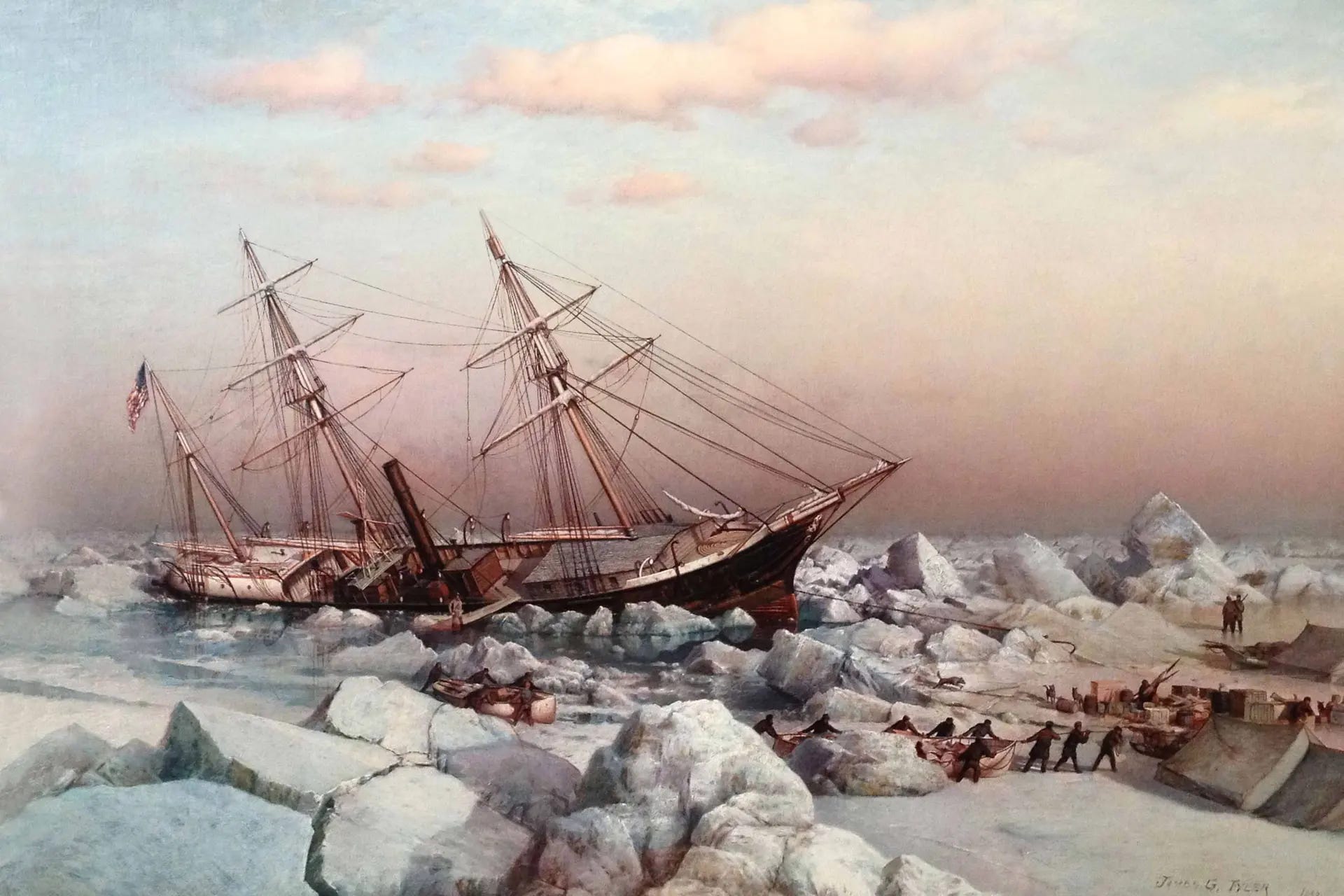
And then, when they reached land, they buried the records for later retrieval. Some survivors from a separate lifeboat eventually did just that, while searching and miraculously finding the bodies of those from this other boat in this vast stretch of Siberia. Despite these victims’ weeks-long journey inland, their three-month trek from the shipwreck to land, and the full 21 months marooned in their ship frozen in the unrelenting Arctic ice, these men ultimately succumbed to the elements and died. Their leader and others in this doomed party remained with the infirm, knowing the odds were slim but true to their vow to not leave the slower men behind.
I want to say more about this story. The details of their final days and some of their backstories stunned me with sorrow when learning of their demise, humbled me with how honorable they were, and exemplified how a life fully lived means taking chances and stepping out into the unknown—whether literally a cold plunge into the Arctic or within their personal relationships. But I also want others of you new to this story to enjoy, as I did, hearing it for the first time. So I’ll resist saying more and refer you to a book below.
I will add they did discover Arctic islands never before seen by humans, which, in addition to their current Russian titles, still bear the English names given by these explorers.
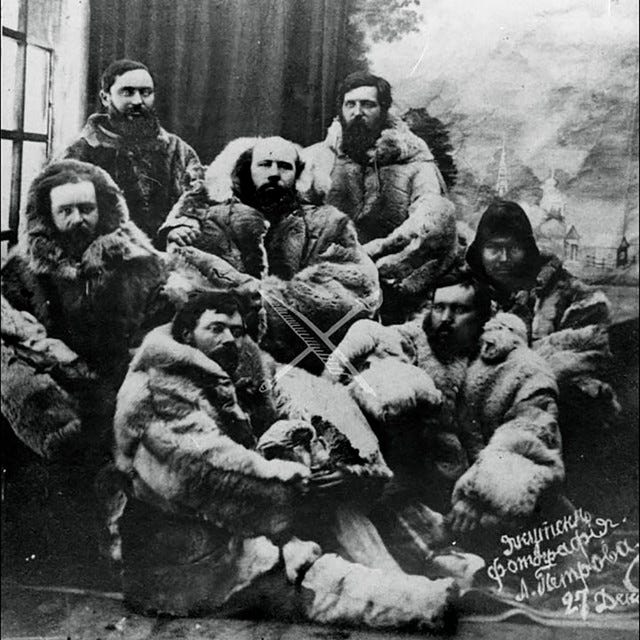
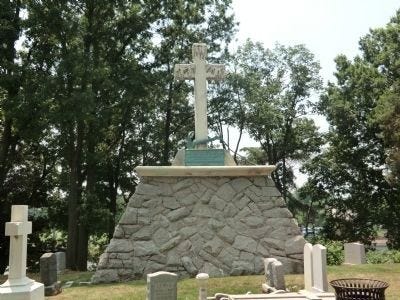
The survivors of The Jeannette were treated graciously by local Siberian populations as well as the Russian government, who fully supplied the risky search for the deceased. The frozen bodies were all moved to higher ground to avoid the spring flooding and placed within a makeshift, yet impressively sturdy, tomb built with nearby rocks. Two years later, the U.S. Navy ventured back to the Siberian tomb, exhumed the bodies, and laid them to rest in the U.S. at Brooklyn’s Woodlawn Cemetery.
Throughout their multi-year saga, these men hunted, cared for their dogs, cared for one another, celebrated New Year’s (twice), and, despite stark ethnic differences—fresh immigrants from across Europe, two from China, and two Alaskan Natives—lived as one crew on the U.S.S. Jeannette. And in all their ceremony and island discoveries, they proudly proclaimed them in the name of their country, the United States of America.
This July 4, we celebrate the Independence of our nation and the freedoms and prosperity bestowed upon us as Americans. Yet between the Revolution and today, countless men and women built the economy and culture of this country—from laborers to educators to explorers. I recently read a post on X (aka Twitter) saying we’ve become too detached from our myths, that we’re too attached to fantasies like The Lord of the Rings instead of the legends bonding us to our culture and people. I counter that we can connect to our roots through actual historical figures, finding a deeper truths in such history than in tall tales like Paul Bunyan or Pecos Bill. Men like George De Long and Charles Ingalls, and women like Laura Ingalls and De Long’s wife, Emma, allow us to reach back into the past to see deeper within ourselves—to learn where we come from and to aspire to live our lives as such men and women lived theirs.
Happy Independence Day.
-Brandon
p.s. I recently finished the audiobook of Hampton Sides’s In the Kingdom of Ice, an inspiration for this article. It narrates with great detail and intrigue the story of The Jeannette, the historical figures shaping this saga, and our country during this era of builders, visionaries, explorers, and survivors.