


If folks were taking bets in the 90s on how well the Hmong people of SE Asia would fare in the North Star State, the odds wouldn’t have looked very good.
Here was a people from the mountains in the tropics, with an agrarian culture, largely living off the land, from literally halfway across the world.
They’d be moving to a climate of arctic-like winters, one of the most technologically advanced societies on the globe, and a largely homogeneous society composed of another race.
And yet…
Come 2016, I was working at a charter school in St. Paul catered to this population. A school by and for the Hmong.
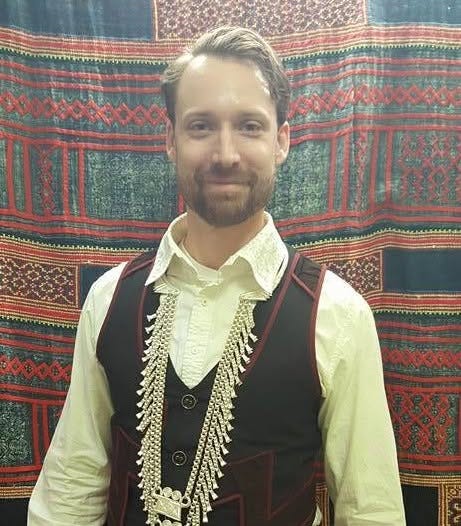
And yet, for how much they carried on their traditions, here is where I began to notice their integration into Minnesota culture. The Hmong insurance salesman up the road has hunting photos and deer antlers mounted in his office. The Hmong IT guy the school hired told me all about his fishing outings (ice-fishing included). The school security guard loved the Vikings as much as any fan in my family.
The candle on top was learning about the storied Minnesota small town of Walnut Grove—made famous by Laura Ingalls Wilder—now had many Hmong families calling it home. They even painted a large, intercultural mural in town that would be the featured image for my story in the Star Tribune that December ten years ago.
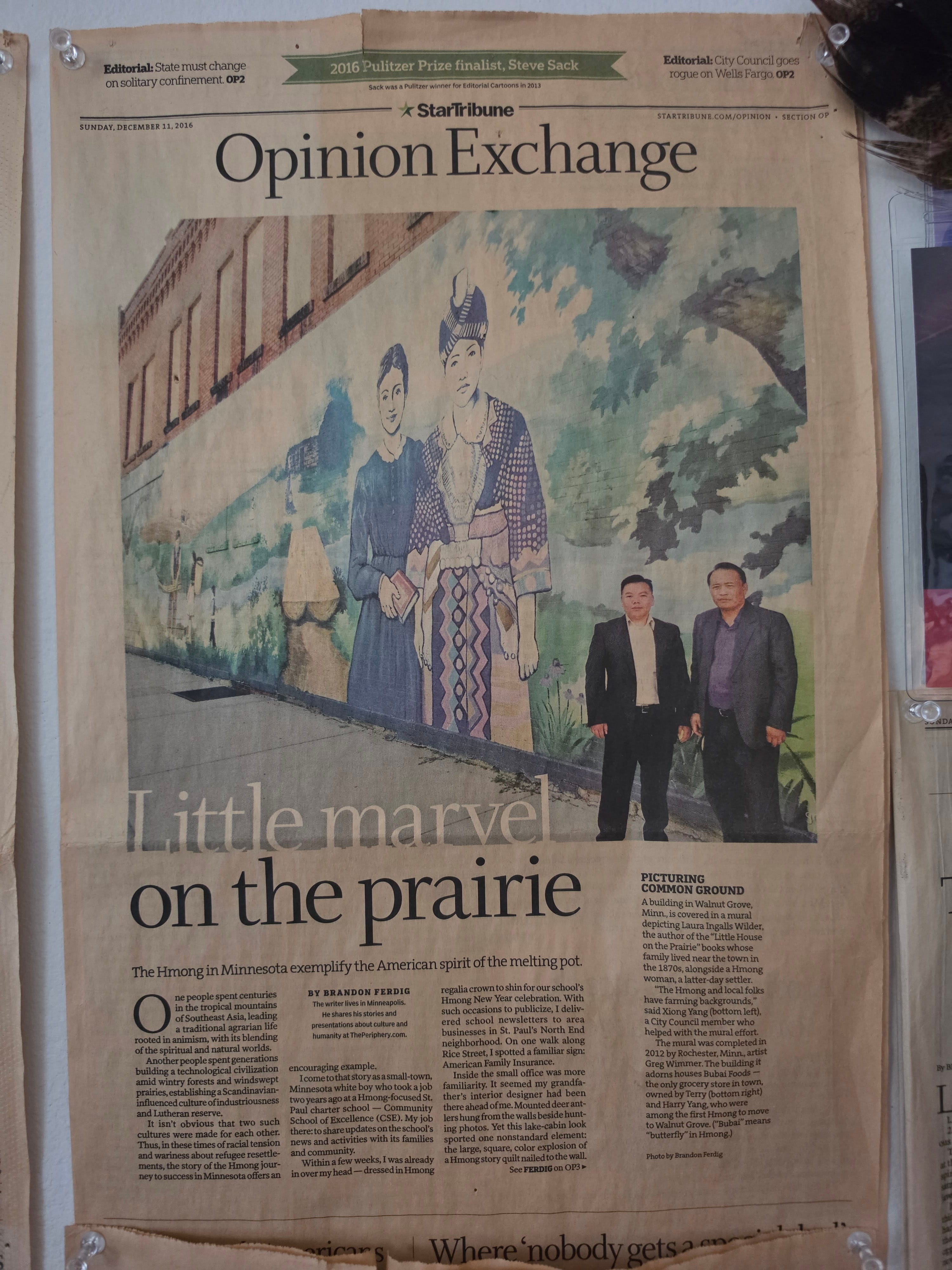
There have also been clashes, of course. My article relays the stories from the Hmong’s early days in Minnesota: struggling with traffic laws, coping with the cold, translation issues. This extended to the criminal element. An “Asian gangs” problem in the 90s featured second-generation Hmong caught between two worlds and finding a belonging in the defensive, rebellious, and antisocial.
Thoughts of recent criminal clashes with the Somali come to mind. One can hope the recent surge in antisocial activity from their youth similarly fades.
Cultures are just so varied. And the intermingling of them—with mixed results indeed—will continue to rise in our evermore fluid world.
It’s good to be aware of this trend and intentional about how to proceed within it.
For any given community, it’s good to exercise strength when necessary to defend the way of life and maintain the cultural identity foundational to its progress thus far.
Security and sound leadership were two of the main discussion points on stage this past Thursday night. At the “Culture Convergence” tech and society event in Wayzata, I moderated a panel discussion featuring three Twin Cities mayors and candidates for public office.

The premise for this talk: Minnesota has experienced unprecedented unrest and division the past 5-10 years. What has been your experience with this general trend in your communities? How are you forging ahead?
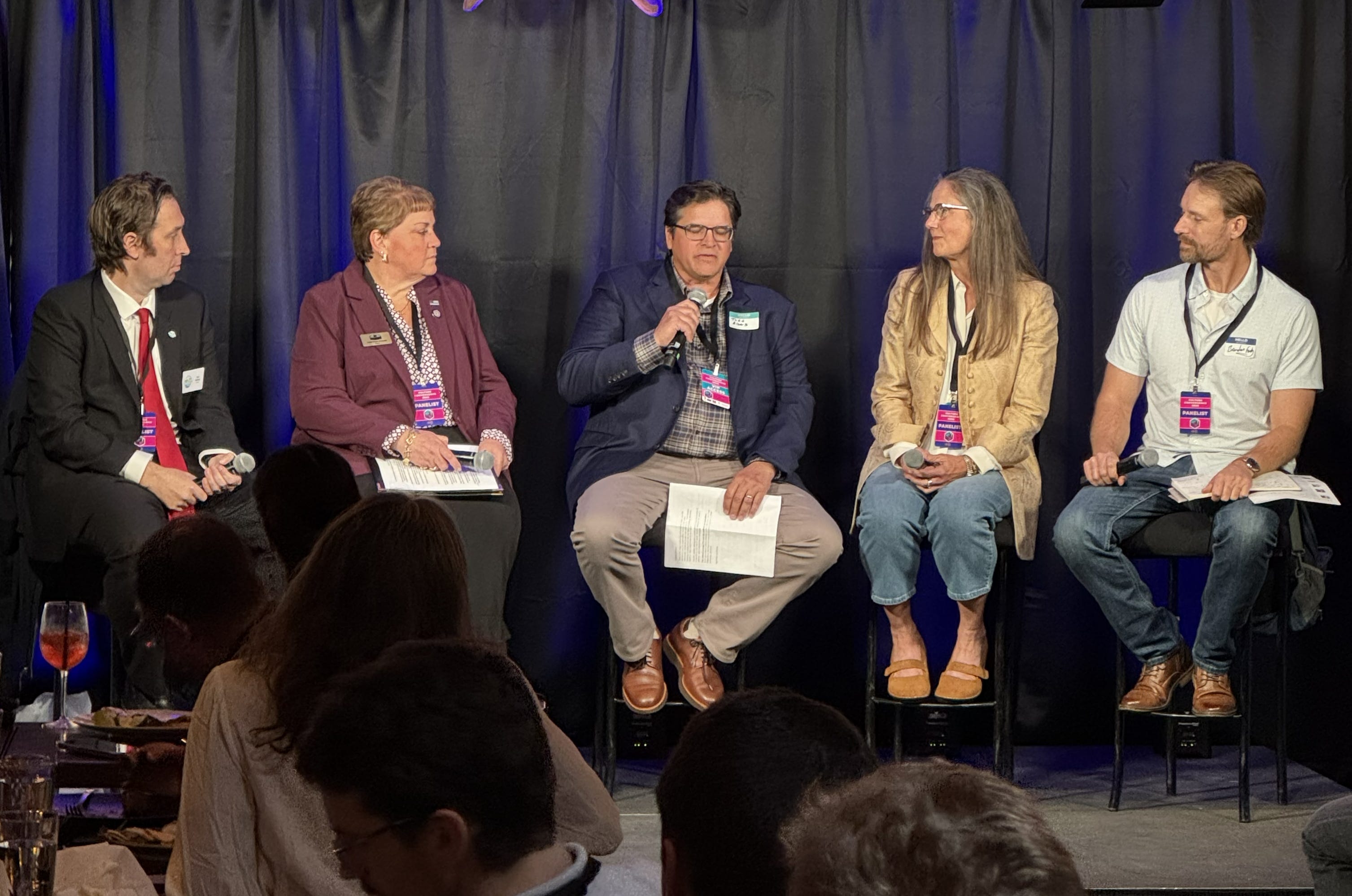
These local leaders shared how even in their smaller communities, crime and tensions have risen. They then relayed their approach for handling the conflict and maintaining community integrity. It was a revealing discussion—inspiring as well. Balancing the troubling headlines and trends at the top, I realized we have such good leaders out there putting in this everyday effort on the ground.
How things in general unfold will be revealed—from the wellbeing of a small community dealing with crime, to a whole state or country addressing the integration of immigrants. Despite the appeal of the negative, the example of the Hmong in Minnesota reminds us it’s certainly not all bad. Unpredictable, pleasantly surprising successes occur as well.
-Brandon