


A.I. - It’s the most talked about technology today.
Perhaps some of you have strong opinions on it. If so, what are they? And what questions do you have?
Tuesday I’m interviewing David Espindola, author and tech consultant specializing in A.I.

He’s pretty busy these days—not just working with organizations but also building his own A.I. products. He’s a speaker and author of two books on the future of our world with A.I. So, he can cover all the bases on this topic, and he and I will cover as many as we can in our time together—including any questions you have. So, please share either via email or commenting below.
Next, I’ll offer some thoughts of my own. Perhaps they’ll jar within you some questions or thoughts on this issue.
Like many new trends, the alarm is often more audible before the benefits become clear.
Maybe it’s concern about jobs being replaced by A.I. or scams enabled by the tech. Maybe it’s the data centers now widely disliked. Or maybe we’ve just seen all A.I.-turning-evil movies.
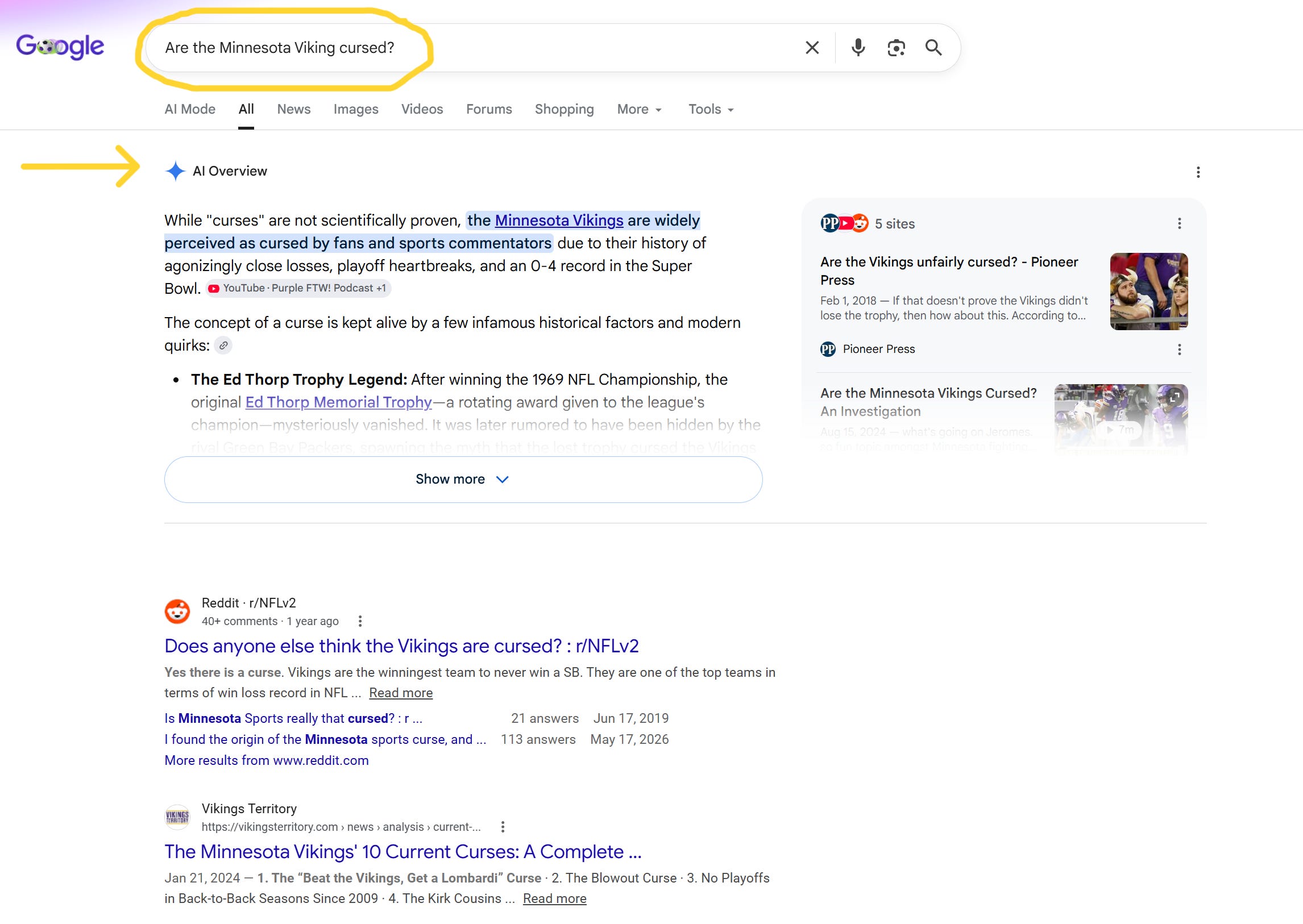
Then again, maybe you are enjoying some advantages of this technology—self driving cars, image and video creation, or just the everyday convenience of a Google search supplemented by their own A.I.-generated reply.
I like to remind people of the overwhelming good that can result from this technology. Like with social media, one can point out all the arguing on these platforms, how it enables false information to spread, how addictive it can be, and what it does to young people. Yet the everyday benefits of empowering practically everyone to connect with many more people are incalculable. With it, humans can better express themselves, make new contacts personally and professionally, learn more about their world, find a community support group, stay in the know with news and updates from loved ones, or just buy and sell things.

With A.I., creators are having field day with all they can now do—everything from short sci-fi films to graphics for their company newsletter.
Organizing and consuming information is now so much more efficient—from having a tutorial on YouTube summarized and read out loud, to building a spreadsheet or chart based on information you ask A.I. to research.
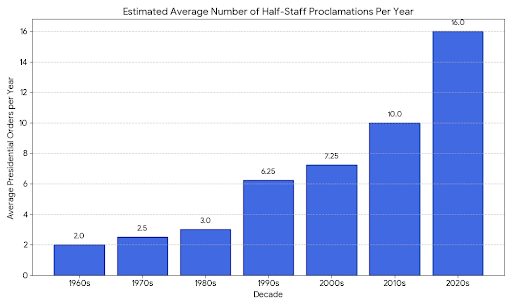
For something more practical than flag raising, I screen-grabbed the web pages of a grant application last week and shared these images along with an explanation by way of a voice recording. The A.I. took all of this and offered insights into the grant process, including whipping up a template spreadsheet for the project budget for me to fill in. I would have otherwise needed to learn this through articles and videos or emailing others.
As big tech investor Marc Andreessen recently said in an interview, A.I. is like having an expert on everything with you and available all the time.
The more I explore its uses for tasks and information, the more I appreciate it and its potential for enhancing our lives. It’s enabling us to dive deeper into topics and freeing us up to live the life we prefer. And this is just today when A.I. is about as “smart” as we are. When it’s “smarter,” it will be able to crack scientific and medical breakthroughs—theoretically (and this level of intelligence, of course, is precisely what concerns some people).
But before we get too sci-fi here, I’ll sit down with the human expert, David Espindola, to discuss A.I. today in 2026, what it might look like in the future, answer all of my questions, and answer all of yours.
So…
What are you curious about regarding A.I.?
How it works
The risks of A.I. such as job loss, rendering people less creative or smart, threatening our digital security, being used for malicious purposes like scams or fake videos of real people
Tips for using A.I. in different ways—professional applications, ways is can help us be artistic, and just making day-to-day living easier
Let me know, and I’ll share them with David on Tuesday when we hop on our call for The Periphery Podcast.
thanks,
-Brandon
p.s. Thank you to all the recent paid subscribers. You each greatly help more of my stories, interviews, and documentary work come to life. That said, I am just getting started in seeking contributions here. So, if you enjoy my work and feel it adds to your day, consider becoming a paid subscriber.
Would David address the issues and possible solutions that AI data centers can place on water systems and the energy grid.
I feel like we're thinking in a similar direction if along different lines. Two questions come to mind:
1. How can we talk about AI in a way that doesn't flatten the subject to a yet another cultural contest between opposing camps (ie for or against)?
2. I'm working on developing smaller, smarter, networked models, playing with the idea that groups of these, through their interactions with each other, might have the potential to demonstrate better response quality in certain domains than much larger models. Currently I'm exploring a.) combining vertical recurrence with ternary quantization (BitNet b1.58 based) and b.) personality-weighted reasoning specialization (Phi4 based). Which approach do you think will yield better results and why?