


About a year ago when Mamdani was running for New York mayor, he and eight other candidates on stage were asked about their first foreign travel if elected. Asked where they’d go, most down the line said Israel and seemed to be trying to outdo each other in their enthusiasm. Mamdani, however, responded by saying he’d focus on New York.
Moderators and other candidates pressed him.
“Would you visit Israel?” interjected a moderator.
“Do you believe Israel has the right to exist?” another urged.
It was a “you better fall in line and do as we do” moment. It stunned many viewers—not so much because of Mamdani’s defiance but the focus on this topic. It was strange and even troubling.


Similarly curious was U.S. Senator John Fetterman’s post on X two days ago, lamenting the recent victories of far left New York City political candidates.
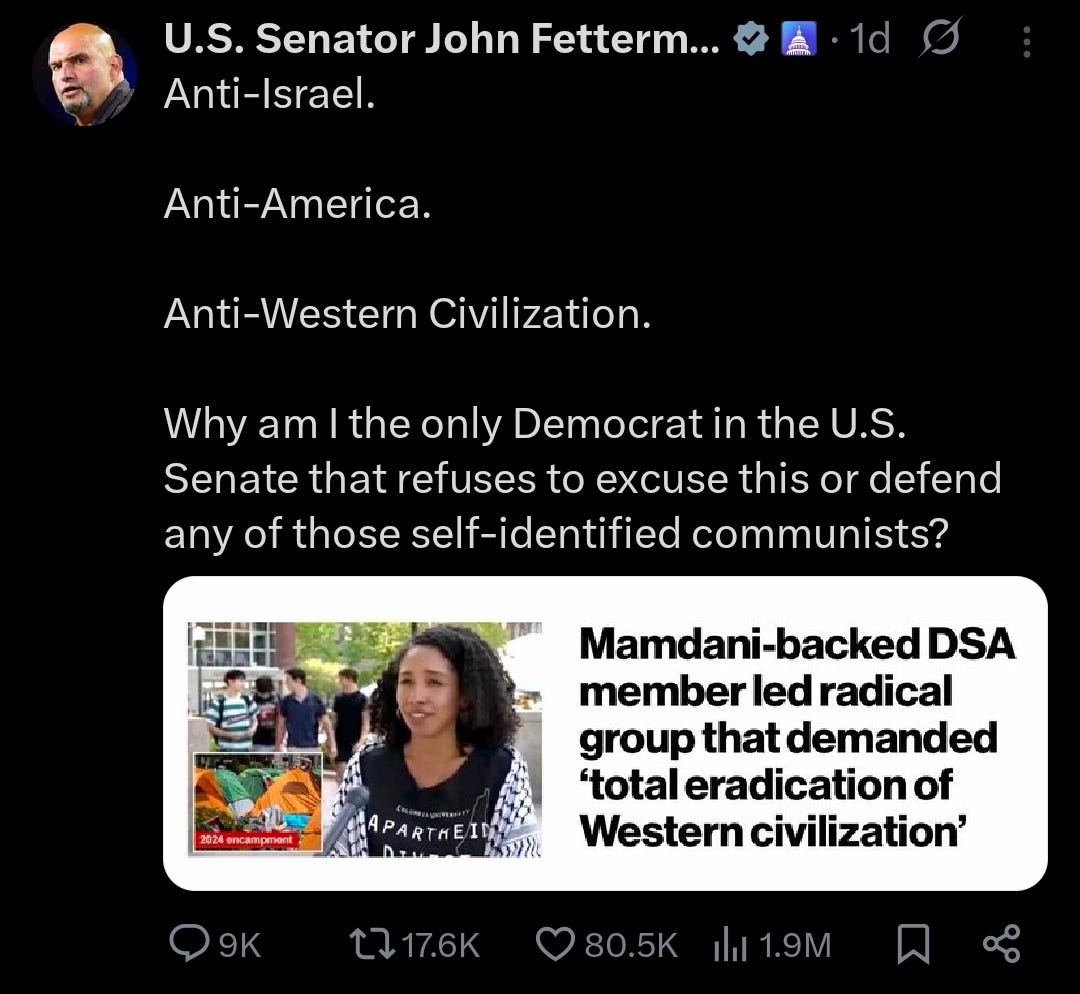
Why was Fetterman’s priority this other country? He has no ethnic or religious ties to Israel. And his profession is to serve his American constituents. Yet he placed this concern behind that of another nation.
The grip the US has on its relationship with Israel—despite the costs and today’s humanitarian emergency—has built up great pressure in our country.
Why this grip? Who knows exactly. Money, leverage, but also the religious angle is significant. Israel, in many Christians’ eyes, cannot do wrong. This status can be exploited.
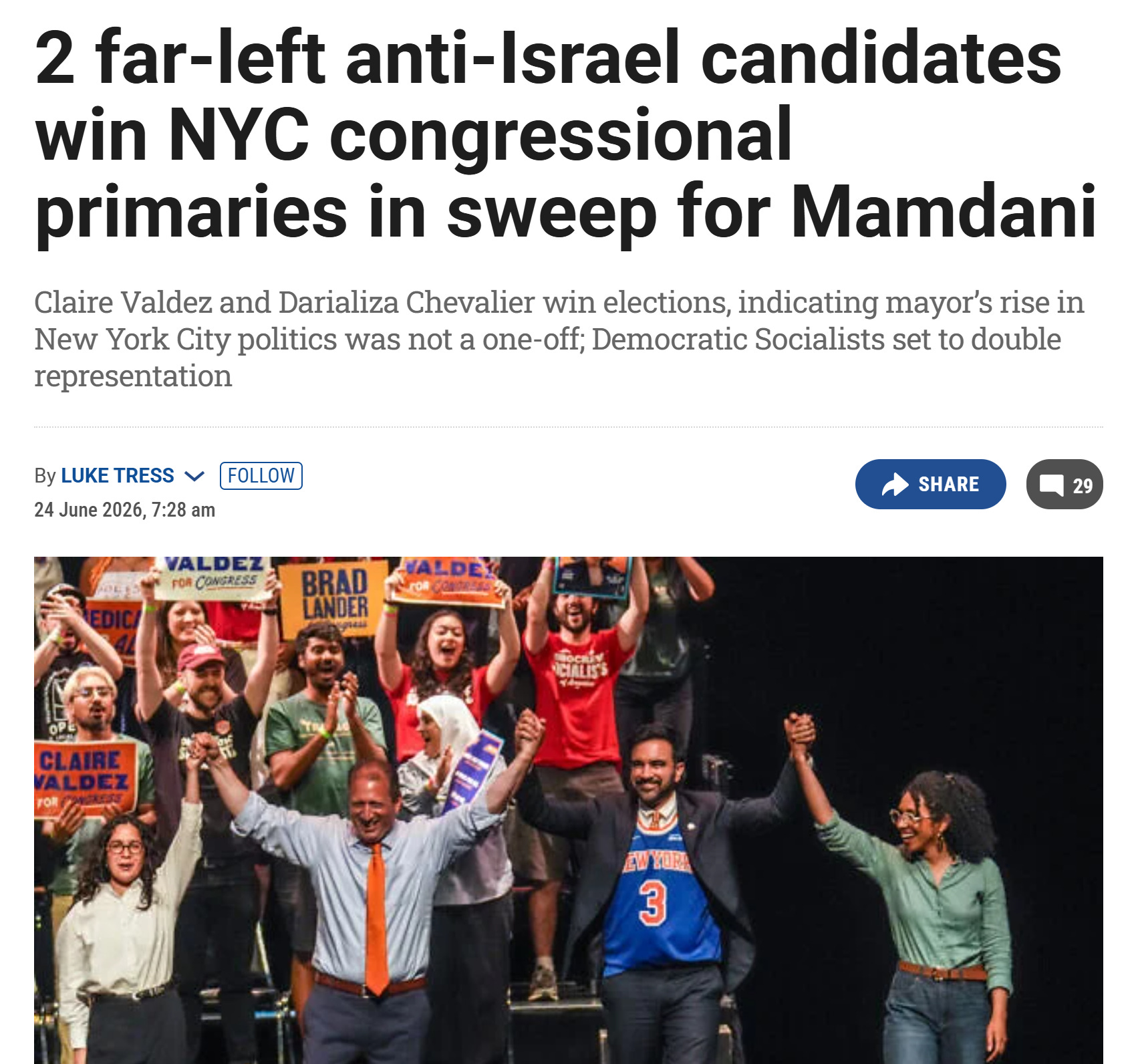
The U.S. government’s lack of response to the humanitarian disaster in the Middle East and growing frustrations resulting back home has created an opportunity for those campaigning outside the political mainstream to stand out in addressing this.
And voters in New York City listened.
It reminds me of how conspiracy theorists like Alex Jones have gained popularity—just replace politics with media. Mainstream sources neglect important issues around COVID or Jeffrey Epstein, leaving a void for Jones to fill. Similarly, mainstream American politics’ has left this void regarding Israel for radical political voices to fill. And there seems a correlation: The more tense and pressured a taboo topic, the more radical are those who successfully challenge it. And then they become leaders.
They’re a symptom of a problem. Sometimes the symptoms are far to the right politically; sometimes they’re far to the left.
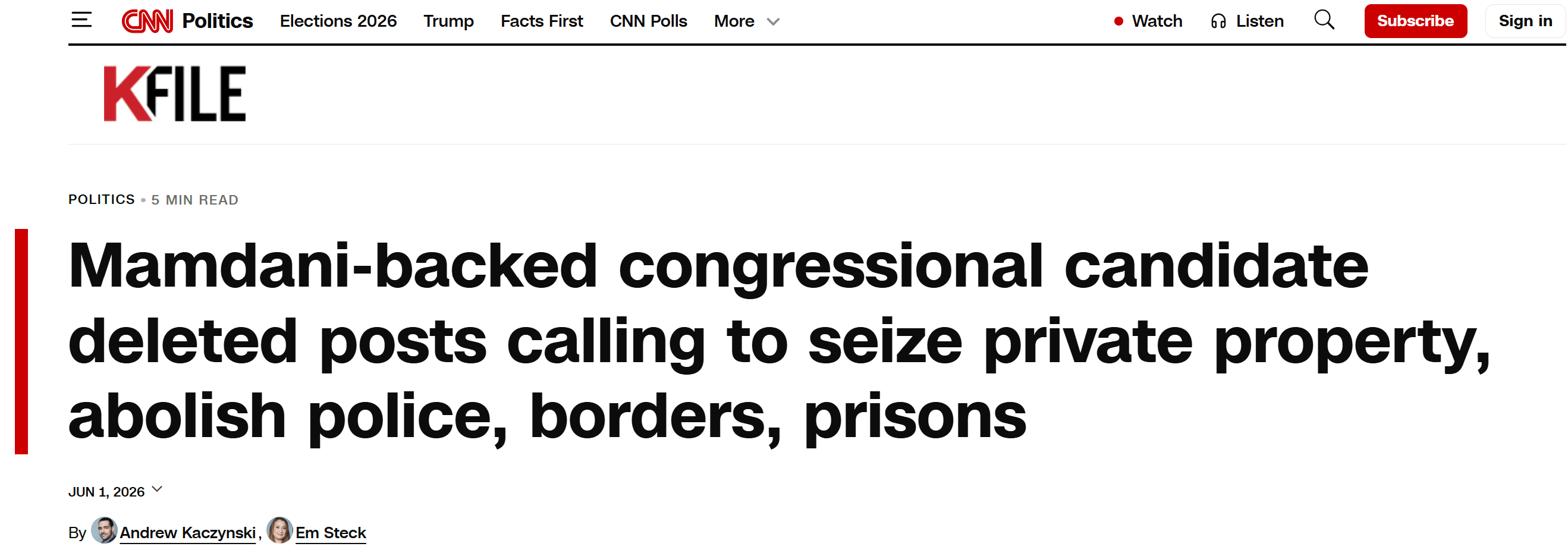
It’s not so much that there are all these socialists in New York. The recoil against these American-complicit atrocities is just that strong. So, voters are siding with candidates whose ideologies have repeatedly sown disorder as well as fly in the face of bedrock ideals that built this country, such as their reduction of the value of the individual.
Given this leftist blowback now felt on their home, political turf, perhaps conservative U.S. politicians will relent in the trajectory taking us here. But instead what we see are conservatives attacking these successful candidates—not asking why they were successful. The wayward seesaw continues.
So, to the degree New York City is representative of the country, we Americans are looking at two increasingly radical political choices:
Conservatism dedicated to Israel
Liberalism leaning toward Communism
How many of us out here are not on either team? Yet when the game is played by only these two, where does that leave us?
Thus, another pressure is building in our country—this from neglecting the American people who hold American ideals. Our apathy, frustration, and even disgust about politics and government will, itself, eventually burst to build something of its own.