


Dear Readers:
Sometimes I just start thinking about a topic and my mind rolls along, eventually laying out some thoughts and ideas that make me go, “Hm.”
I’ve glimpsed some aspects of what AI and robotics will mean for the labor market and how humans receive income.
Right now, we do as good a job as we can assigning compensation for work. There’s constant renegotiation of this measure happening in the market depending on factors such as the skills or education required, the demand for the work, one’s experience in the field, the size of the industry, and so on. Some fortunate workers in fields such as television and sales might receive residual payments for ongoing activity related to one’s initial work.
We’re always tweaking this formula of who gets paid what, yet vast inconsistencies remain.
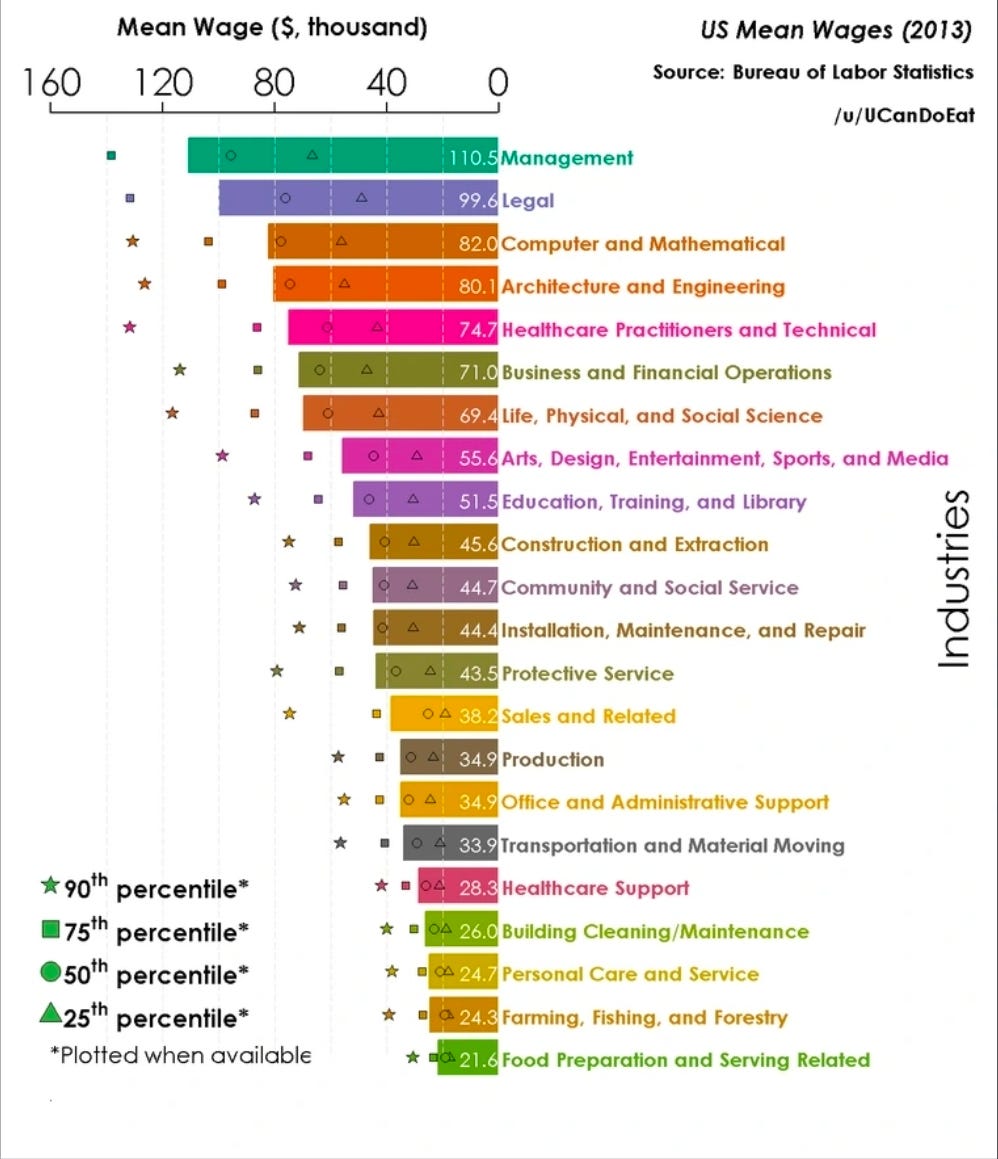
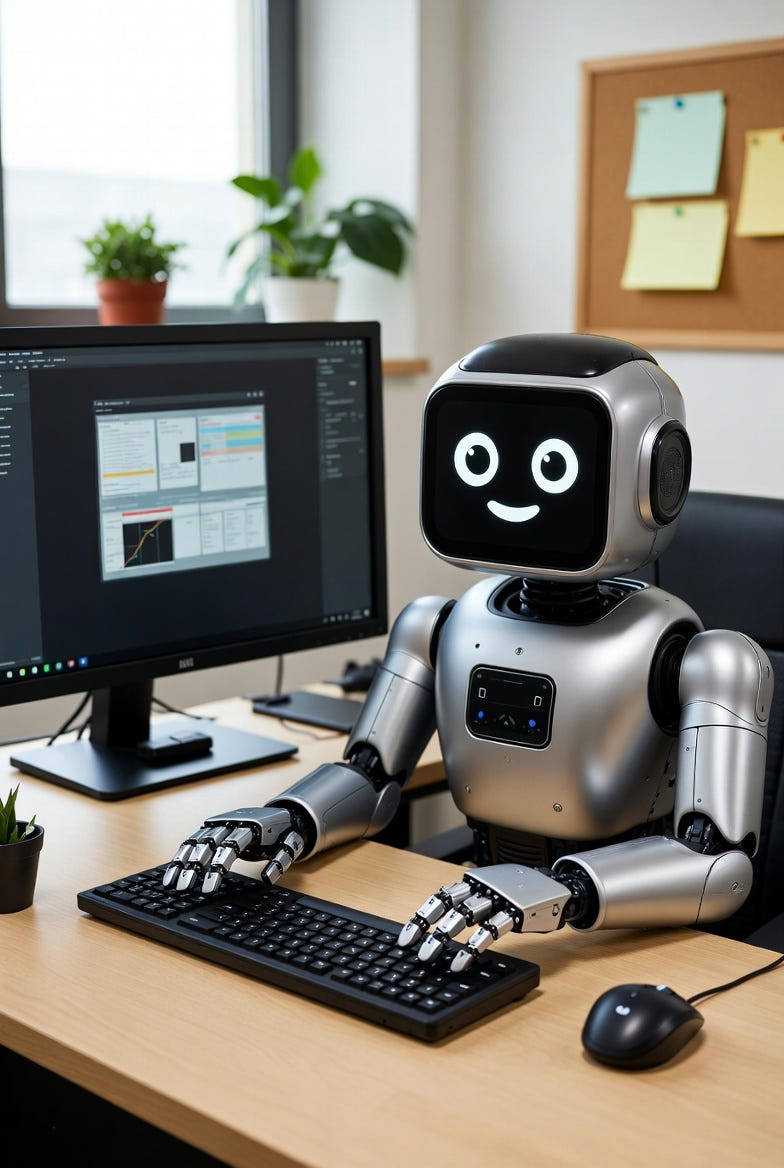
As AI and robots begin to significantly displace human labor, this whole back-and-forth of negotiating work payment seems to become significantly less necessary. Technology doesn’t just affect this conversation; it largely removes the need for it.
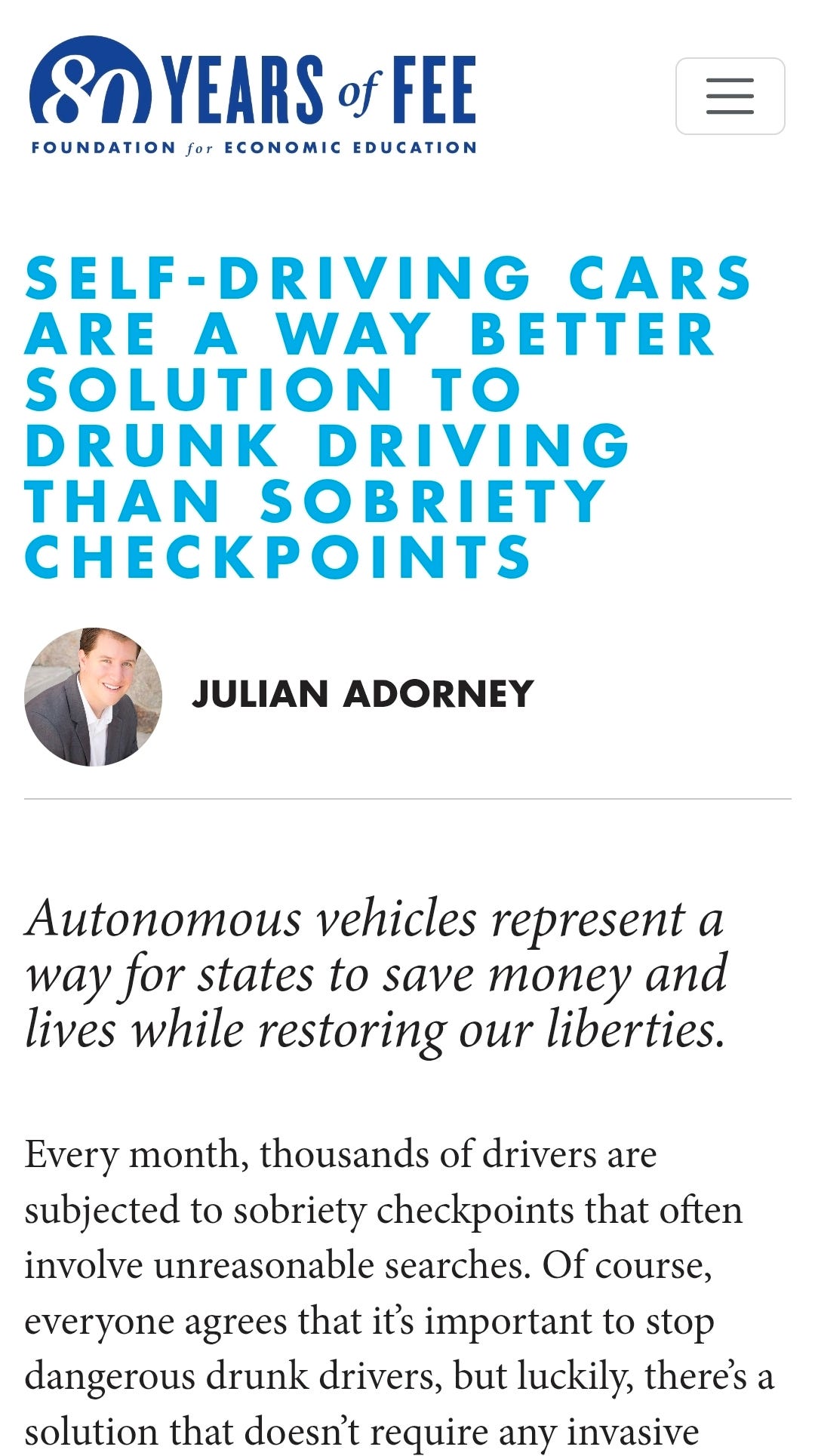
To use another example, look at how we handle DUIs. Like with work compensation, we’re constantly tweaking how to handle the blood-alcohol limit, the kinds of punishment for offenders, whether to lean more on treatment, etc. But while we’re adjusting all these factors, trying to tune things just right—with questionable effectiveness—a technology enters the picture that completely upends the conversation: self-driving cars.
With widespread use of this technology, as it continues to improve well beyond human driving safety, we become much freer of the repercussions of human error as well as all the discussions and actions taken to address them as individuals and institutionally.
Similarly, I think AI and robots will free us from the responsibility of having to figure out who gets what for what work. This matter has historically been the subject of revolutions, and countless people have died fighting over such economic systems. But we won’t have to fight so much anymore, because AI and robots will largely make it moot—just like self-driving cars can make drunk driving a moot point.
With AI and robots doing the work—construction, coding, manufacturing, you name it—it will replace the question of “how should people get paid for their work” with “how will the wealth generated be distributed?”
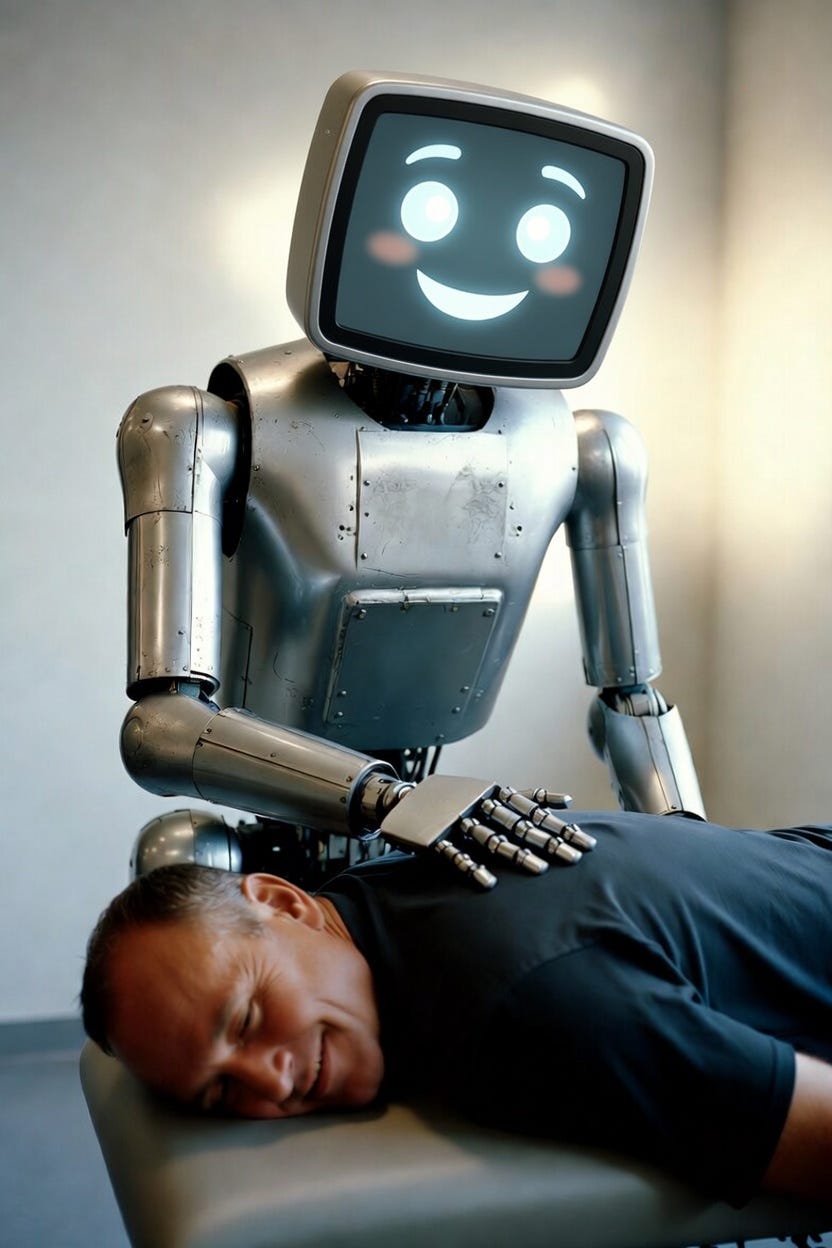
It’s the same question asked for centuries, but now, because we’re dealing with wealth from robots, it reduces the moral concerns of expropriating wealth from those who’ve earned it as well as the power abuses that come from the positions in charge of these decisions. The distribution also doesn’t have to be limited to the inconsistencies with which people are compensated today. And none of this prohibits people’s freedom to earn money as well. If one wishes to continue to earn through their work or name, great.
There will probably be great skepticism in all this because the distribution systems we’ve experienced are deeply flawed, featuring fraud and bureaucratic impediments. So, finally, I believe this AI-generated wealth will be distributed through some as-yet-unknown system—perhaps though corporations, or as part of startup societies, or maybe existing governments infused with modern technology that can fortify and improve the distribution of funds to individuals.
Bottom line, though: AI and robots are going to drastically change who or what does the work in the world, and this will drastically change fundamental matters of how people receive income and how much they receive.