


“The photo tells the story,” said the U.S. Senator Wednesday in his grave delivery about the Pretti tragedy here in Minnesota.
The Senator’s words are correct.
But he doesn’t understand why,
because he didn’t know his photo was AI.
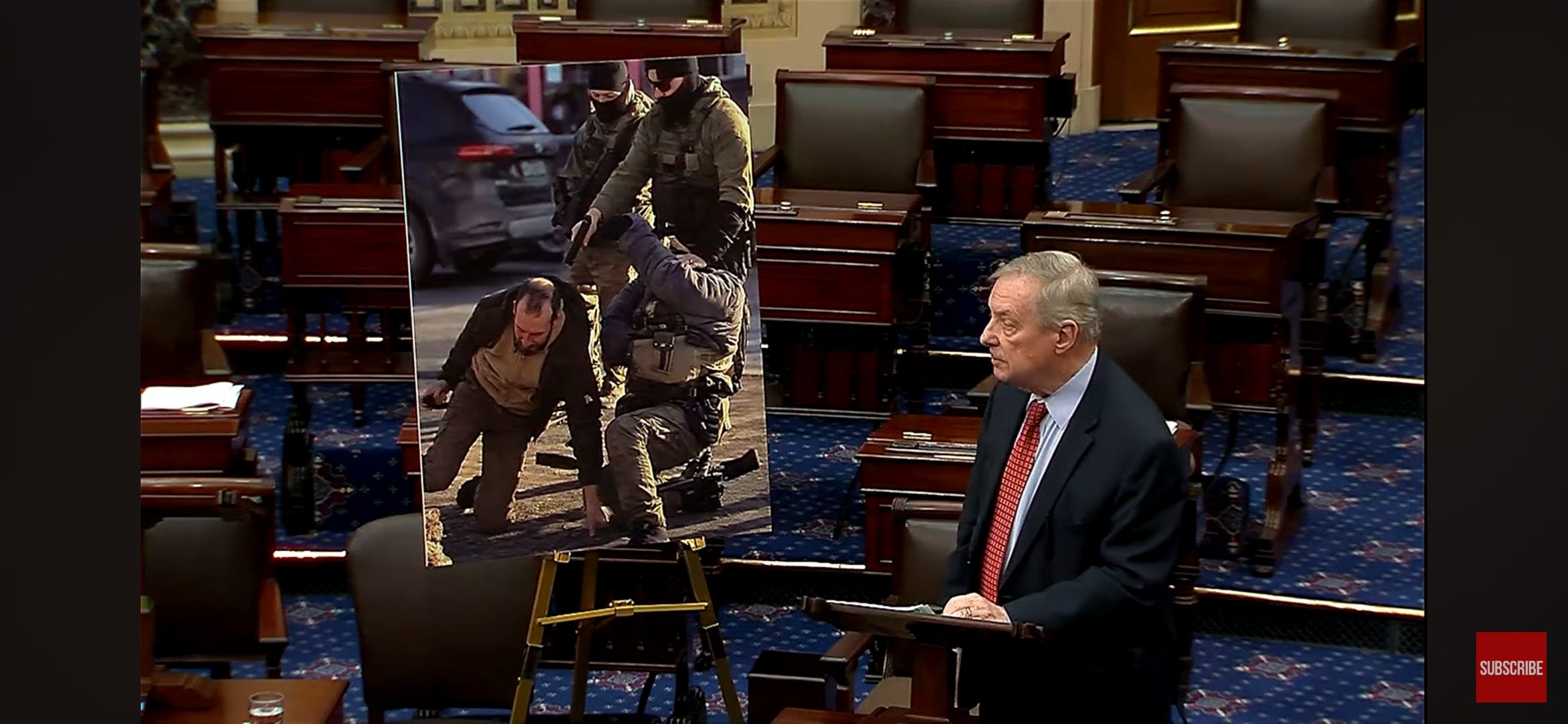
This is the second time recently we’ve had a federal lawmaker fooled into presenting false evidence to support their case.
First, a politician read aloud a fake job ad—supposedly from Minneapolis daycares seeking child actors—in trying to highlight daycare fraud. Now we have this Senator presenting an AI-generated exaggeration of what happened to Alex Pretti.
In either case, it’s the same issue: new tech rendering old systems (e.g. governments) incompatible with current times.
The internet been the conduit through which societal temps have risen and then enabled technologies like AI to exploit these tensions. Throw in the distance between these events on the ground and our lawmakers—geographically and social class—and the cracks of this tension, confusion, and disconnect threaten the integrity of our government like water seeping into a roof.
I don’t know if this “roof” needs to be replaced, but something needs to happen to recalibrate—to address leadership unable to manage effectively and the people, themselves, drifting further apart.
Many Americans also believe this photo of Pretti is genuine. And as such folks honor him with a moment of silence at the area NBA game and donate $1.6M to Pretti’s family, others are confused by this and seeing the video of Pretti 11 days before his death, where he spat at officers and kicked out the taillight of their SUV.
Honored as a symbol of goodness and martyrdom to some; emotionally unstable and violent to others.
But the Pretti tragedy is just the latest focal point of polarization revealing a societal system too charged to function, like an overloaded electrical system blowing fuses. I believe a combo of decentralization and adjusting to this new world will reduce this overload.
One adjustment: getting used to the idea of reality through screens being less and less reliable—or at least having reality through screens meaning something different. Screens won’t be assumed as a window to the world anymore. And by decentralizing power structures, there will be fewer conflicts to view through screens. (It may not be the most realistic example, but ICE wouldn’t be in MN if immigration was handled at the state level.)
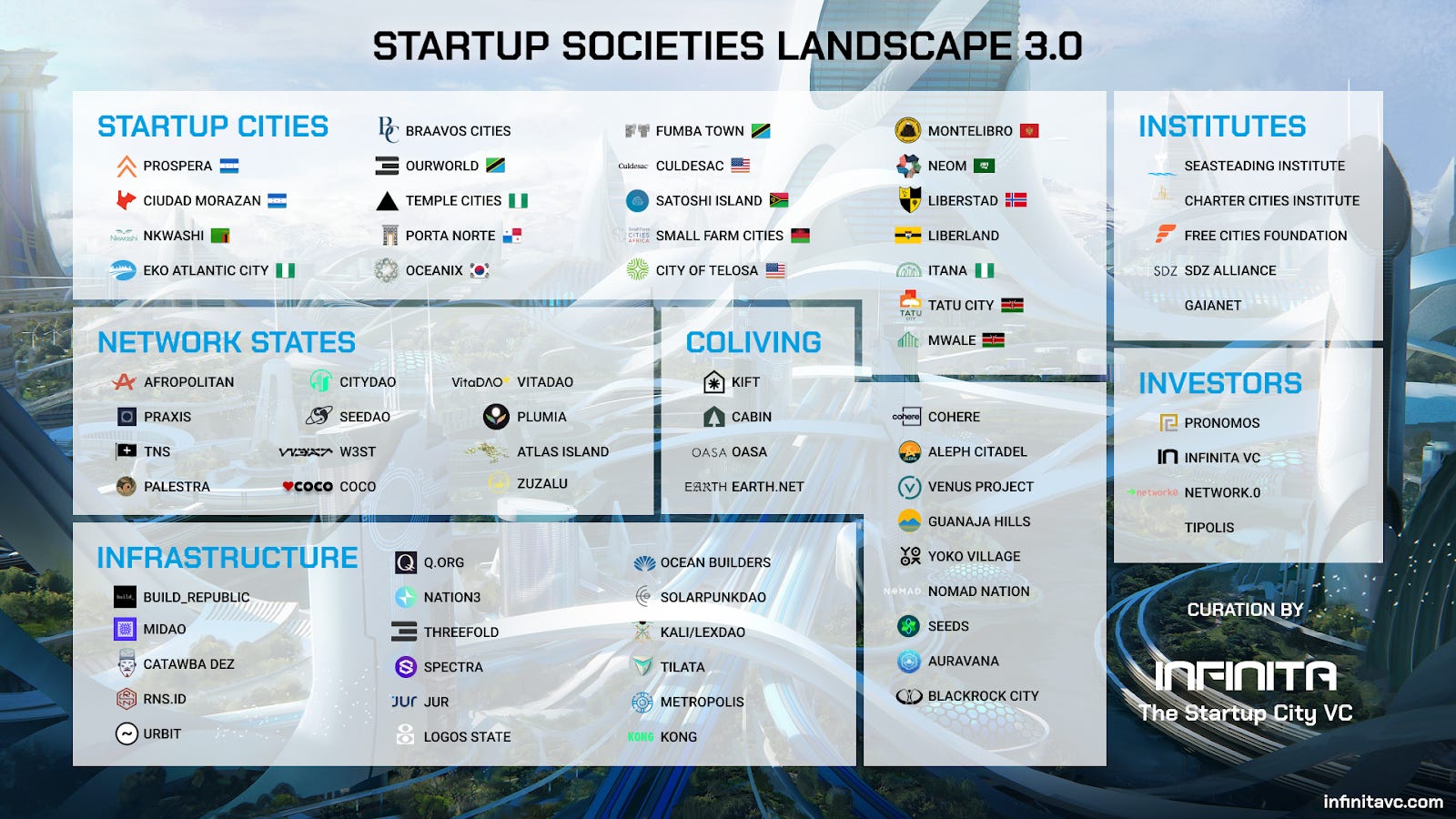
So, are we looking at more state autonomy, autonomous zones within states, the rise of landless network states? It’s unclear. But I’m a fan of pioneers experimenting with these ideas (e.g. my visits to Prospera and Infinita City in Honduras). I think they hold promise for relieving pressure off a system now being run less effectively, angering more Americans.
With all this, I think our realities will rely less on screens (or rely on them differently) and see a return to how we experienced life prior—through that which is before our eyes, our communities.
-Brandon
p.s. My upcoming video is about a teenage boy who was also fooled his screen—and then exploited, leading to a tragic conclusion.